Furniture manufacturer
Nine hundred products in three languages, a dealer portal with regional price lists, and no ecommerce plugin, because nothing is for sale.
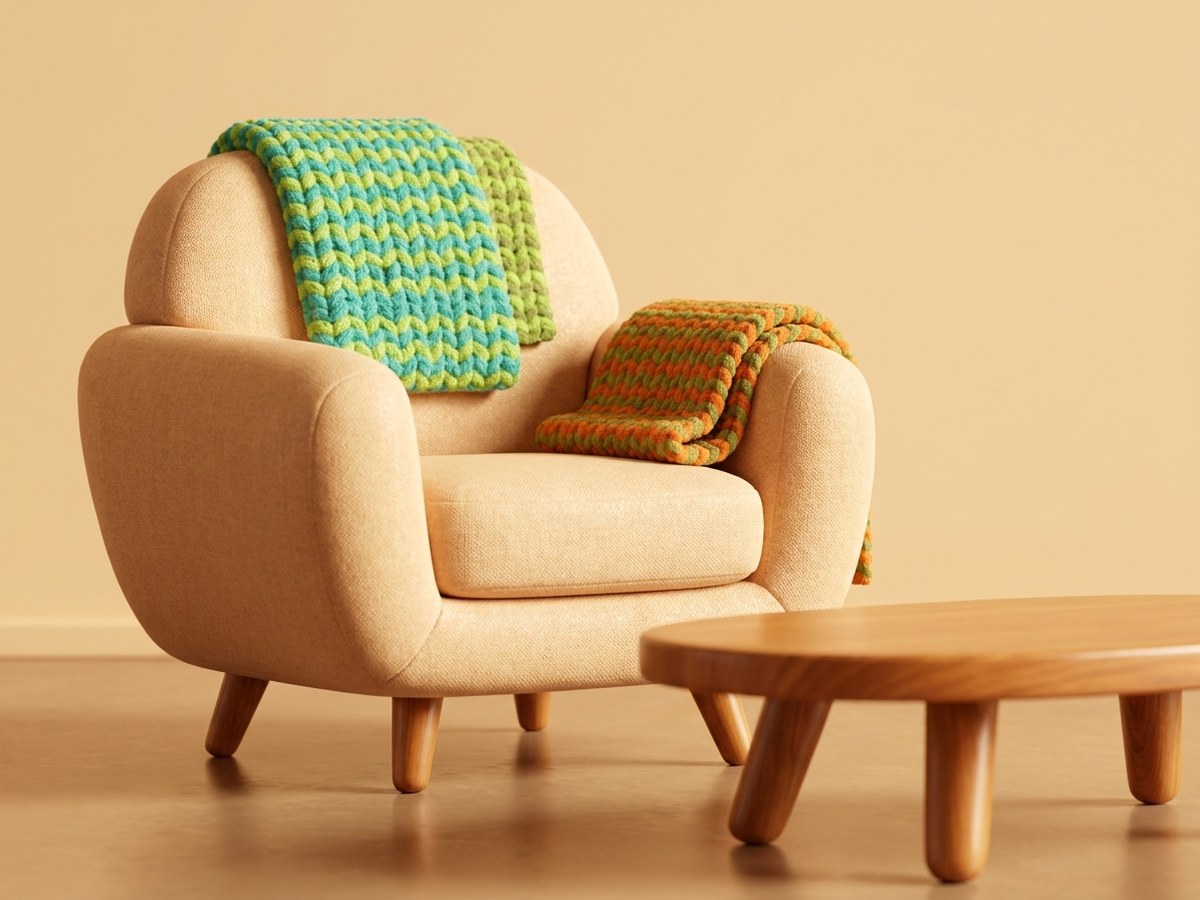
A product design studio brought us their biggest client: a manufacturer with around nine hundred products, dealers across Europe, and a site that had been rebuilt three times without anyone fixing the underlying problem. The catalogue lived in the CMS but was maintained in the ERP, and the two disagreed constantly.
Where it started
This one started with a phone call rather than a file, because the studio's question wasn't can you build it, it was can anyone. Two rebuilds had already failed on the catalogue, and the client was tired of paying for optimism. So instead of a quote, the first document we produced was a one-page description of the import: which system owns which field, what happens when they disagree, and who gets emailed when a row makes no sense. The client signed it before anyone drew a screen.
The Figma arrived six weeks later and was the easy part: twelve blocks, a product template with a long specification table, and a finish picker the studio had prototyped so thoroughly that we mostly transcribed it.
The build
The catalogue now has one source of truth. A nightly import reads the ERP export, creates and retires product entries, and leaves the editorial fields (the photography, the designer's story, the room-scene crops) alone. The content people own the words, the ERP owns the SKUs, and neither can tread on the other.
Products come in finishes and sizes, which looks like ecommerce until you notice there's no basket. Dealers sell; the site doesn't. So variants are modelled as plain Craft fields rather than a commerce plugin's product model: one licence fewer, and the catalogue pages stay simple enough for the three-language setup to hold. English, German and French run as Craft sites with translated slugs rather than a bolted-on translation layer.
The dealer portal sits behind a login: regional price lists, high-res assets, and the spec sheets that used to be emailed around as attachments named FINAL_v7. Dealers get accounts, and the client's sales team can see who downloads what.
The import, specifically
The ERP export is a forty-column CSV of which the site needs eleven. The console command hashes each row so that it only touches entries whose hash has changed, so the nightly run across nine hundred products finishes in about a minute and the revision history stays readable instead of recording nine hundred phantom edits a night.
Products the ERP retires don't 404. They redirect to their range, which keeps years of dealer bookmarks and magazine links alive. Rows the command can't parse go into a morning email to one named person at the client, with the line number and the reason. The length of that email has become the client's informal health check for the whole pipeline.
The three languages run as full Craft sites rather than a translation plugin. Specification fields propagate across all three automatically, because a millimetre is a millimetre in German. Editorial fields stay separate, because the designer's story reads differently in each market and the client has a translator who is picky in a way we like.
What Craft gave us for free
The twelve blocks share their field groups, which is where the ten weeks came from. A new block is mostly assembly: a heading field here, an asset field there, and the Twig partial that arranges them. Nine hundred products would punish lazy queries, so every listing eager-loads its finishes, sizes and imagery up front, and the heaviest catalogue page runs the same handful of queries as the lightest. The multi-site propagation rules did a lot of the work. Specification fields copy across the three languages on save, editorial fields don't, and that one piece of configuration replaced what the previous rebuild had attempted with a plugin and hope.
The specification tables are the responsive test case we now show other clients. At desk widths they're true tables. Below a breakpoint each row reflows into a label-value card, because pinch-zooming a table on a phone is how spec sheets stop being read. The finish picker crossfades between swatches, drives from the keyboard with visible focus, and under reduced motion swaps the crossfade for a plain cut. Nothing else on the site moves, which suits a catalogue. People arrive to read measurements.
Checks, in three languages
Every template gets proofed with German content, because German breaks layouts English never will. Sondermaßanfertigung does not truncate politely. The specification tables took a full week of the ten, most of it on keyboard navigation and a screen-reader pass that made us rename half the column headers to things a person would say out loud.
For the last three weeks the import ran nightly against staging while the old site stayed live, so by cutover it had already survived nineteen real exports, two of them malformed in ways nobody had predicted. The dealer portal went to twelve pilot dealers a fortnight before the rest. Their complaints renamed three things, got the price lists a search box, and settled an argument about download buttons that had been running since week two.
After launch
A content team of two runs the whole estate. The studio art-directs new ranges twice a year and sends us a Figma page. The blocks already exist for most of it, so those amends are small. The import has run every night since launch and emailed its named person fourteen times in the first year. Eleven of those were the ERP's fault, a score the client now quotes at their vendor.
They asked harder questions about our ERP than our ERP vendor ever has.